Picture this: you live in a country blessed with abundant sunshine for most of the year. Yet, a staggering 70–80% of the population is deficient in the very "sunshine vitamin"—Vitamin D. This isn't a minor health footnote; it's a silent epidemic sweeping across India, from bustling metros to quiet towns. The irony is profound. Despite our sunny climate, modern lifestyles—long indoor work hours, cultural preferences for fair skin that lead to sun avoidance, pollution-filtered sunlight, and even dietary habits—have created a perfect storm for deficiency. Most people go through their days feeling a persistent, low-grade fatigue, attributing it to stress, aging, or a hectic schedule, completely unaware that a critical nutrient is running dangerously low.
Why Vitamin D Deficiency Is So Hard to Detect
The greatest trick Vitamin D deficiency pulls is its disguise. Its symptoms are masters of mimicry, often masquerading as common, everyday complaints. That persistent tiredness you blame on a demanding job? It could be low Vitamin D. The general aches and pains you dismiss as "getting older"? Another potential sign. Feelings of low mood or brain fog are frequently attributed to stress or workload. This vagueness creates a significant psychological barrier. We are conditioned to seek medical help only when we feel "really sick"—with clear, acute symptoms like fever or severe pain. A gradual, creeping feeling of being "not quite right" doesn't typically trigger a visit to the lab.
This "I'll get tested when I feel really sick" mindset is the primary reason why millions of Indians remain undiagnosed for years. The process of booking a lab appointment, taking time off work, travelling, and waiting for results feels disproportionate to the nebulous feeling of low energy. Consequently, the deficiency is allowed to progress unchecked, silently undermining your health foundation. It's a classic case of not knowing what you don't know, and by the time more serious symptoms emerge, significant damage may already be done.
What Low Vitamin D Does to Your Body Over Time
Vitamin D is far more than a bone vitamin; it's a crucial hormone that influences nearly every system in your body. When levels remain low over months and years, the consequences are systemic and serious. The most well-known impact is on bone health. Vitamin D is essential for calcium absorption. Chronic deficiency can lead to osteomalacia in adults (softening of bones), causing bone pain and muscle weakness, and increases the risk of osteoporosis and fractures later in life—a major concern, especially for women over 30.
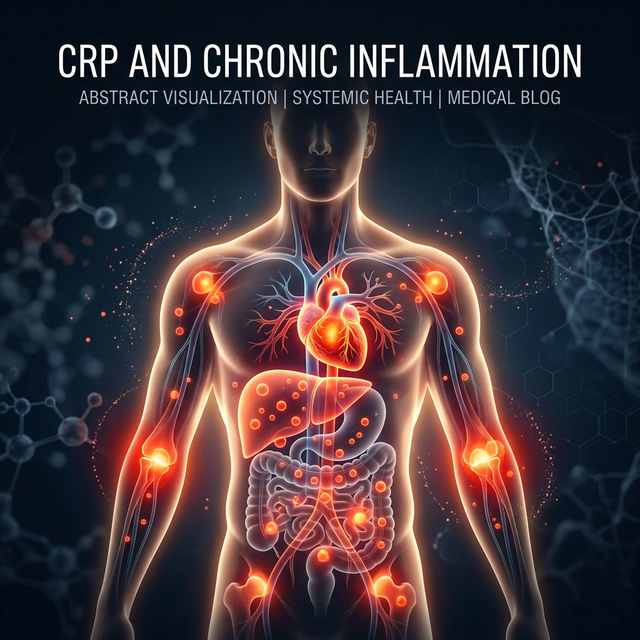
Beyond the skeleton, Vitamin D is a key modulator of your immune system. Adequate levels help your body fight off infections, from common colds to more serious viruses. Low levels are linked to increased susceptibility to illness and prolonged recovery times. Perhaps most insidiously, Vitamin D receptors are found throughout the brain, and deficiency is strongly associated with low mood, feelings of sadness, and a lack of motivation. It can also contribute to chronic inflammation, which is a root cause of many modern diseases. The long-term ripple effect touches everything from heart health to metabolic function, making early detection not just beneficial but critical for long-term wellness.
Why a 10-Minute Home Test Changes Everything
The traditional barriers to testing—inconvenience, time, and perceived cost—are what allow this silent epidemic to thrive. This is where modern healthcare technology creates a paradigm shift. Imagine knowing your Vitamin D status without stepping out of your home, without taking a half-day off work, and with complete privacy. A simple, CE & IVD certified home test kit makes this possible. With a tiny finger-prick sample, you can get a clinically accurate result (>95% accuracy) in just 10-15 minutes, for a fraction of the cost of a standard lab test.
This convenience is revolutionary. It empowers you to move from uncertainty to awareness on your own terms. You can test proactively, as part of a regular health check, rather than reactively when you are unwell. For working professionals and women managing multiple responsibilities, this ease of access is a game-changer. It demystifies the process and puts crucial health data directly in your hands. Understanding your levels is the first, most powerful step towards taking corrective action—whether it's adjusting your sun exposure, modifying your diet, or starting a supplement under a doctor's guidance. Proactive wellness starts with knowledge, and now, that knowledge is more accessible than ever.
Test yourself today with QUIQ. Don't let vague symptoms dictate your well-being. Take control of your health from the comfort and privacy of your home. Visit QUIQ to explore how easy it is to get answers. If you're experiencing fatigue alongside other issues, consider a broader check; for instance, low energy can also be linked to thyroid function or Vitamin B12 deficiency, another common concern in India. Your health is your greatest asset. Start protecting it by knowing where you stand.
Disclaimer: This article is for informational purposes only and is not a substitute for professional medical advice, diagnosis, or treatment. Always seek the advice of your physician or other qualified health provider with any questions you may have regarding a medical condition. The QUIQ test is a screening tool, and results should be discussed with a healthcare professional.
Take Control
Know Your Health
Premium at-home self-test kits under ₹99. CE & IVD certified results in minutes. No lab visits, no appointments.
Shop Now